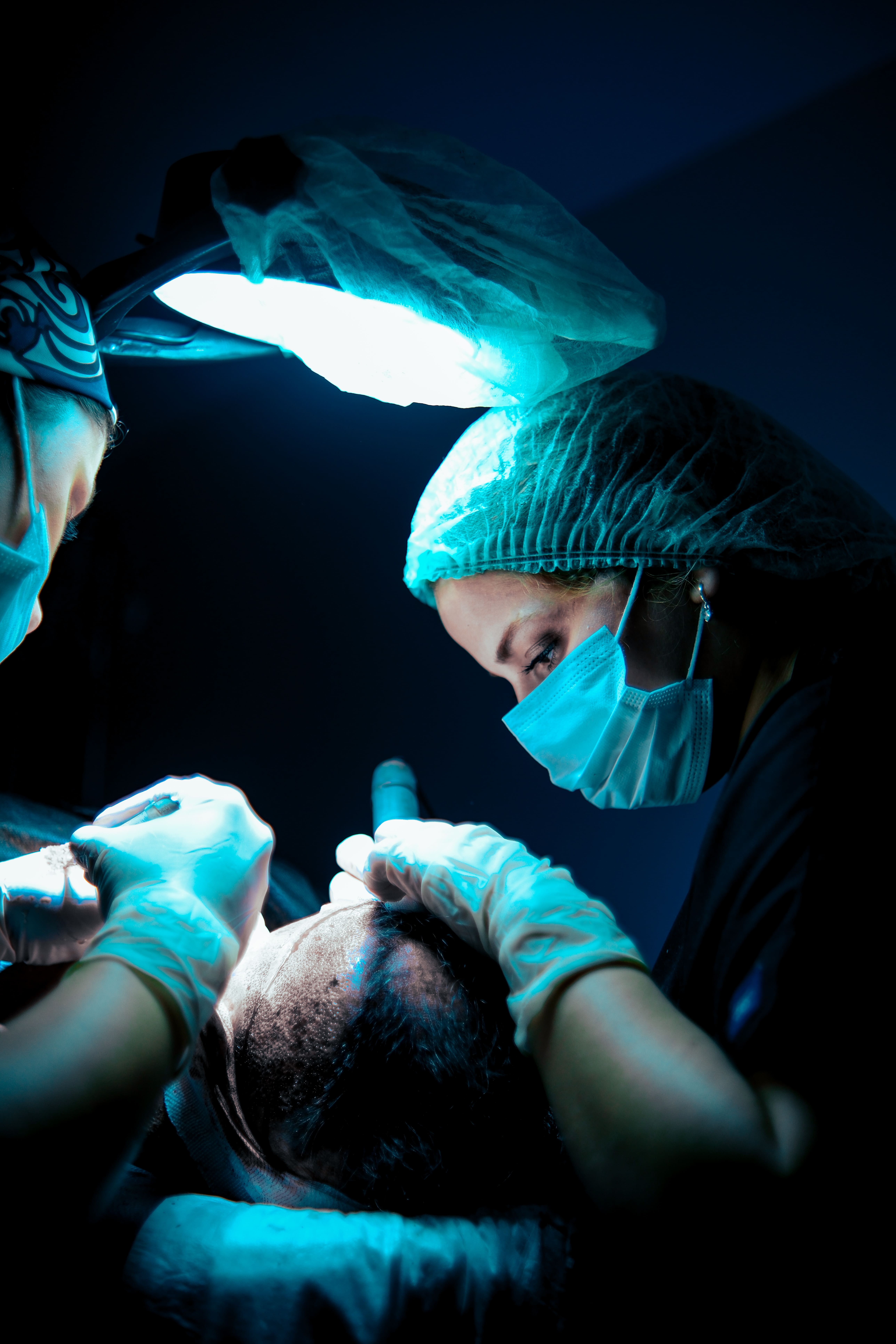
What to Expect After Your Hair Transplant
Congratulations on taking the first step towards restoring your hair! The procedure itself is just the beginning of your transformation journey. Proper aftercare is crucial for achieving the best possible results. Here's everything you need to know about your recovery process.
The First 24-48 Hours
The initial period after your hair transplant is critical. During this time:
Keep your head elevated while sleeping to minimize swelling. Use 2-3 pillows to prop yourself up at a 45-degree angle.
Avoid touching the transplanted area - your grafts need time to anchor themselves securely.
Take prescribed medications as directed by your surgeon, including antibiotics and anti-inflammatory drugs.
Stay hydrated and eat light, nutritious meals to support healing.
Days 3-7: The Critical Healing Phase
This is when you'll notice the most visible changes:
Mild swelling around the forehead is normal and typically peaks around day 3-4 before subsiding.
Small scabs will form around each transplanted graft - this is a healthy sign of healing.
Avoid strenuous exercise to prevent increased blood flow to the scalp.
Sleep on your back to avoid displacing grafts.
Week 2-3: Gentle Care Continues
As your scalp continues healing:
Begin gentle washing as instructed by your medical team, typically using a special shampoo.
Scabs will naturally fall off - never pick or scratch them, as this can damage grafts.
Redness will gradually fade over the coming weeks.
Resume light activities but avoid swimming pools, saunas, and direct sun exposure.
Weeks 4-8: The "Shedding" Phase
Don't be alarmed - this is completely normal!
Transplanted hairs will shed - this is called "shock loss" and happens to nearly all patients.
The follicles remain intact beneath the surface and will produce new growth.
Continue protecting your scalp from sun exposure by wearing a loose hat outdoors.
Maintain a healthy diet rich in proteins, vitamins, and minerals.
Months 3-6: New Growth Begins
This is the exciting phase where you'll start seeing results:
Fine, thin hairs will begin emerging from the transplanted follicles.
Hair texture may differ initially but will normalize over time.
Continue gentle scalp care and avoid harsh chemical treatments.
Stay patient - full results take 12-18 months.
Months 6-12: Transformation Takes Shape
Your new hair is maturing:
Hair density increases as more follicles enter the growth phase.
You can style your hair more freely at this stage.
Consider PRP treatments to enhance growth (ask your surgeon).
Take progress photos to track your transformation.
Long-Term Maintenance Tips
To preserve your results for years to come:
Use gentle, sulfate-free shampoos to maintain scalp health.
Protect from sun damage with SPF or hats during extended sun exposure.
Maintain a healthy lifestyle - diet and stress levels affect hair health.
Consider preventive treatments like finasteride or minoxidil if recommended.
Schedule annual check-ups with your hair restoration specialist.
Foods That Support Hair Growth
Nutrition plays a vital role in your recovery:
Protein-rich foods: Eggs, fish, lean meats, legumes
Iron sources: Spinach, red meat, lentils
Omega-3 fatty acids: Salmon, walnuts, flaxseed
Biotin-rich foods: Nuts, whole grains, avocados
Vitamin C sources: Citrus fruits, berries, peppers
What to Avoid During Recovery
Certain activities can compromise your results:
Smoking and alcohol - they impair blood flow and healing
Blood-thinning medications (unless prescribed) - consult your doctor
Intense workouts for the first 2-3 weeks
Swimming in chlorinated pools for at least 4 weeks
Hair dyes and chemical treatments for at least 6 weeks
When to Contact Your Doctor
While most recovery is straightforward, reach out if you experience:
Excessive bleeding that doesn't stop
Signs of infection (fever, unusual discharge, severe pain)
Significant swelling after day 5
Any concerns about your healing progress
The Most Esthetic Difference
At The Big Most Esthetic, our commitment to you extends far beyond the procedure room. Our medical team provides:
24/7 post-operative support via WhatsApp
Detailed aftercare instructions in your language
Follow-up consultations to monitor your progress
Personalized recovery plans based on your specific procedure
Your transformation is our priority. Trust the process, follow these guidelines, and look forward to the confident new you!